
How Hybrid Care Helps Seniors Stay Motivated in Health Routines
The Growing Importance of Hybrid Care in Senior Wellness
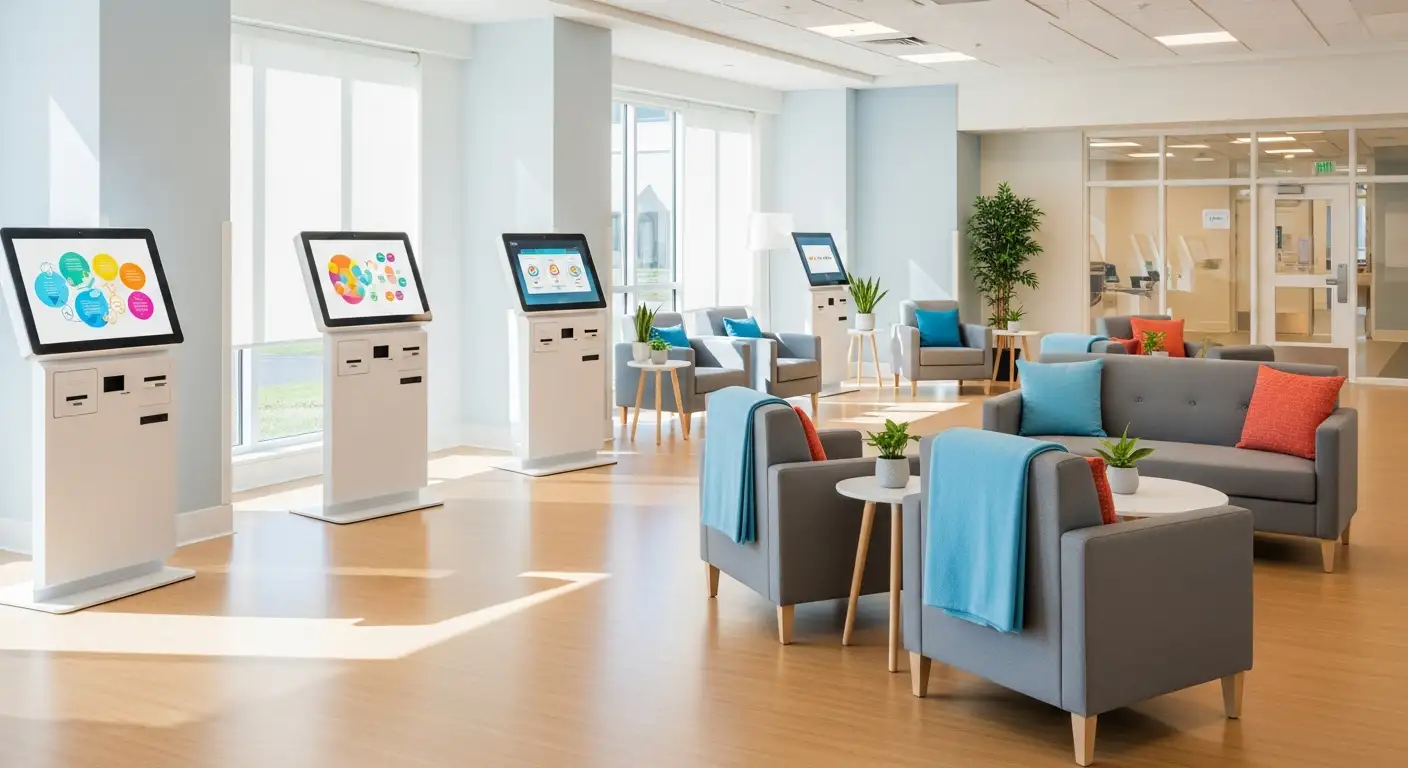
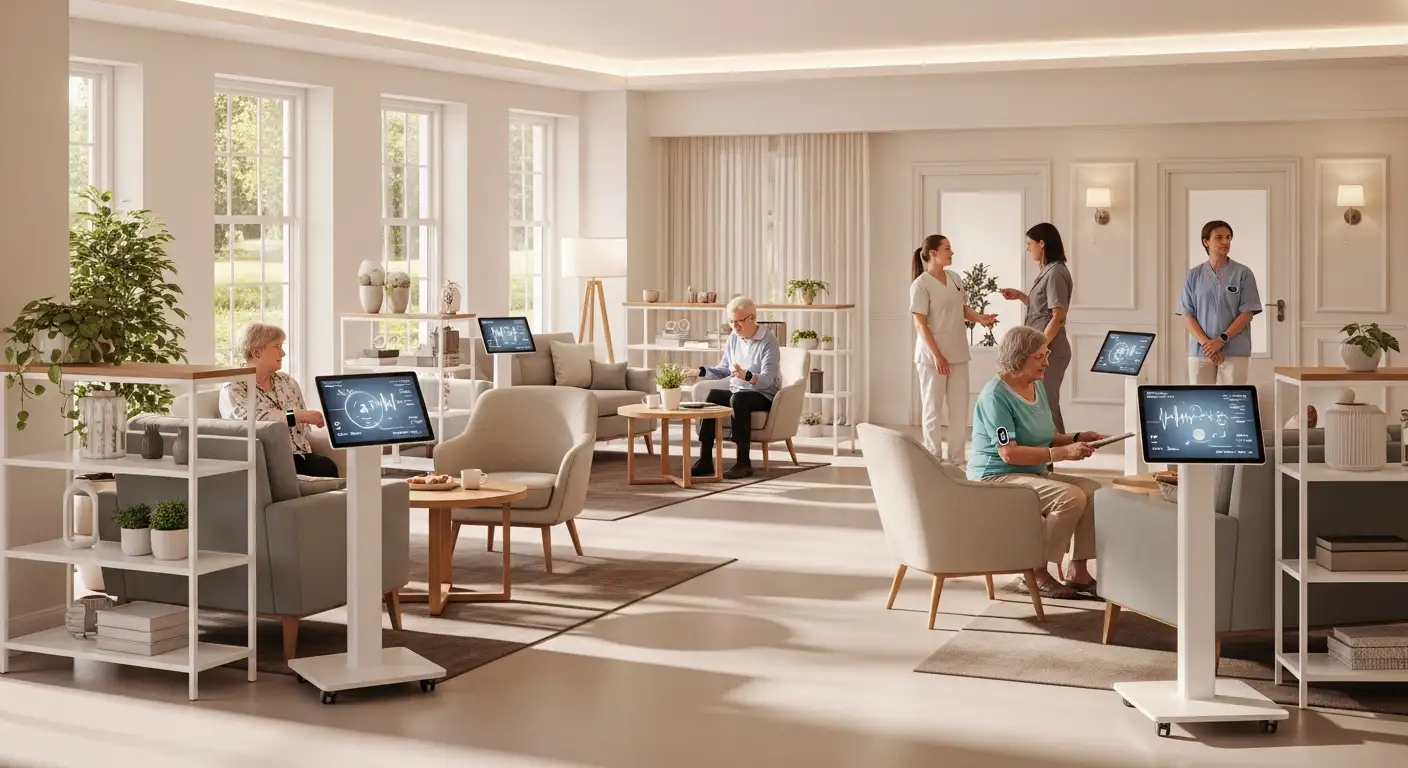
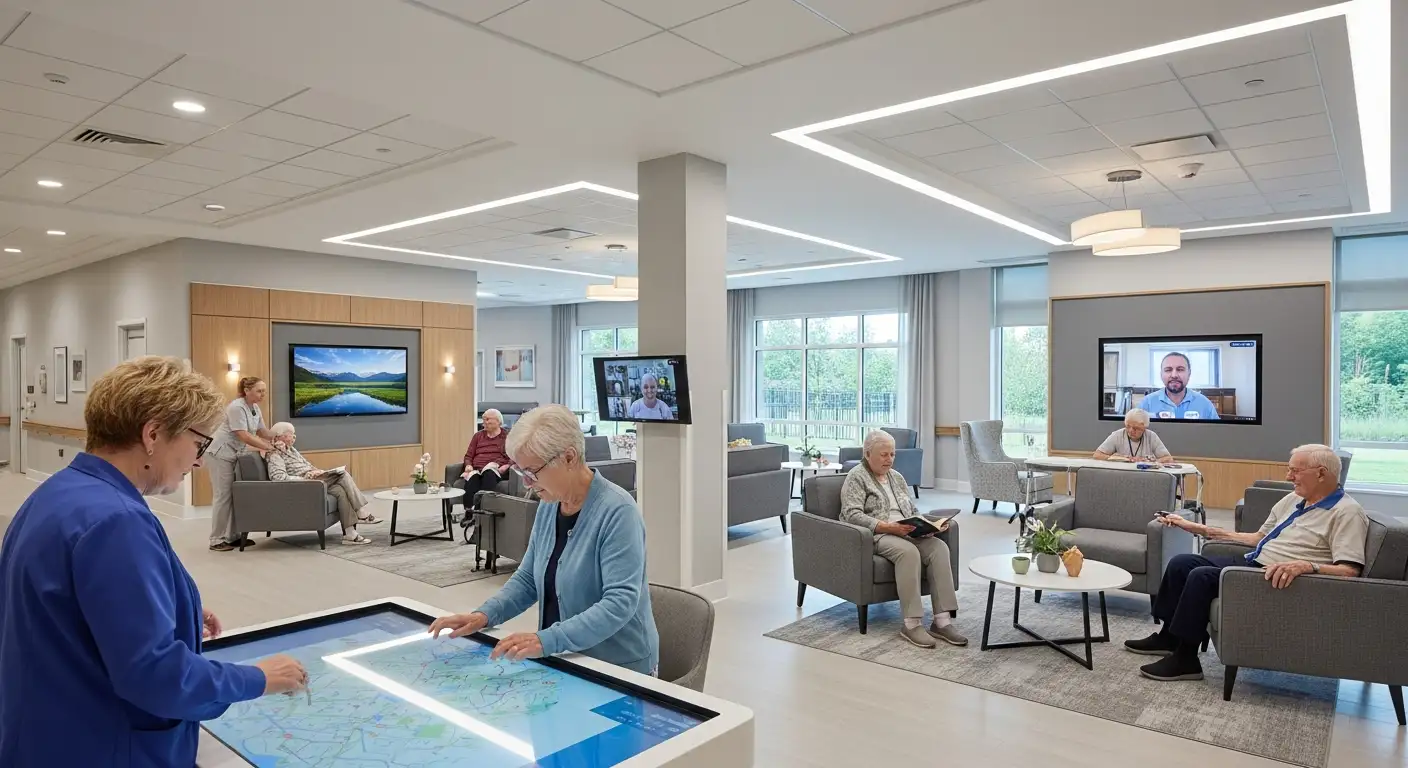
As the aging population increases, maintaining health routines becomes essential for seniors to manage chronic conditions and enhance quality of life. Hybrid care, combining virtual and in-person components, offers a versatile and motivating approach that adapts to seniors' preferences and lifestyles. This article explores how hybrid care programs support seniors in sustaining effective health routines, particularly in physical fitness and weight management, fostering their long-term wellness and independence.
Key Facts on Hybrid Exercise and Wellness Programs for Older Adults
- Hybrid fitness programs combine resistance training, cardio, yoga, Pilates, HIIT, and circuit workouts for comprehensive physical health.
- These programs significantly improve walking speed and grip strength in frail older adults, aiding in frailty reversal.
- Hybrid programs offer virtual and in-person modalités, boosting flexibility and motivation for participants.
- About 41.7% of participants in a 24-week hybrid program reversed their frailty status.
- Personalized plans and progress tracking with trainers are key to adapting workouts and ensuring continuous improvement.
- Hybrid wellness initiatives include individualized nutrition and physical activity plans, integrating behavior change and emotional support.
- These programs often combine virtual coaching, community groups, and peer support to improve adherence and lifestyle changes.
- Evidence shows 70% of participants in weight management programs maintain or lose weight post-completion.
- Effective weight loss programs employ personalized interventions, behavior modification, and professional counseling.
- Mental health influences weight loss, where emotional resilience and support networks significantly impact motivation and adherence.
1. Hybrid Exercise Programs: Boosting Physical Fitness and Reversing Frailty
What Are the Components of a Hybrid Fitness Program?
Hybrid fitness programs blend a variety of training styles to offer a well-rounded approach to physical wellness. These programs typically combine resistance training, low-impact cardio, yoga, Pilates, high-intensity interval training (HIIT), and circuit workouts.
This mix ensures participants build strength, endurance, flexibility, and mobility simultaneously. By integrating different exercise types, these programs promote balanced muscle development and comprehensive health improvements.
How Do Hybrid Exercise Programs Benefit Older Adults Physically and Mentally?
Hybrid programs are especially beneficial for aging adults facing frailty and multiple chronic conditions. Physically, they enhance key fitness measures such as walking speed and grip strength. For example, a study involving 181 frail older adults (aged 65 and above) showed significant improvements in these areas following a 24-week hybrid program that combined Wu Qin Xi, strength, and endurance training.
Mentally, these programs encourage motivation and social engagement, which are vital aspects for older adults. The variety of workouts reduces the risk of burnout and overuse injuries, keeping participants excited and committed to their health routines.
How Does Hybrid Delivery Provide Flexibility and Motivation?
Many hybrid programs offer both virtual and in-person sessions, allowing participants to choose what best fits their lifestyles. This flexibility is essential for older adults juggling varying health needs or schedules.
Additionally, hybrid formats promote accountability by combining structured routines with personal choice. The inclusion of group classes caters to those who prefer social engagement, while one-on-one coaching sessions support personalized goals.
What Are the Results of Hybrid Programs on Frailty Reversal?
The referenced 24-week hybrid exercise program achieved impressive results. Out of the 163 participants who completed the program, approximately 41.7% reversed their frailty status, highlighting the potential of such training to improve quality of life and physical function.
Furthermore, the use of machine learning models in conjunction with these programs helps predict which participants are most likely to benefit from frailty reversal, enabling tailored care plans.
How Is Customization and Progress Tracking Handled?
Designing an effective hybrid exercise program involves carefully selecting core training types and scheduling workouts to balance effort and recovery. Tracking progress is crucial to ensure consistent improvements and adapt the program as needed.
Working with a trainer further enhances safety and effectiveness, providing personalized adjustments based on an individual’s capabilities and goals. This personalized coaching also keeps participants motivated and accountable, key factors in the success of long-term health programs for aging adults.
2. Comprehensive Hybrid Wellness Programs for Weight Management and Healthy Living
Individualized Nutrition and Physical Activity Plans
Hybrid wellness programs designed for aging adults often start with personalized health plans that focus on critical lifestyle areas such as nutrition and physical activity. These individualized plans take into account each participant's unique health status and preferences, promoting sustainable changes in diet and exercise routines. For example, the 'MyWay to Health' program emphasizes tailored nutrition guidance alongside weight management and incorporates regular physical activity adaptations to meet diverse needs.
Behavior Change and Emotional Support
Behavior change is central to the success of these programs, with structured approaches to help individuals set realistic health goals, establish consistent routines, and foster supportive networks. Weekly professional support, notably from registered dietitians in programs like 'MyWay to Health,' helps participants maintain motivation and navigate challenges. Emotional support through group or individualized settings addresses stress management and promotes purposeful living, which are valued by many older adults.
Virtual Coaching and Community Engagement
Many hybrid wellness initiatives blend virtual coaching with community and group activities to maximize accessibility and engagement. Virtual delivery accommodates older adults who prefer flexible scheduling or remote participation, as seen in the 'Eat Smart, Move More, Weigh Less' program. This program provides a 15-week virtual course led by registered dietitian nutritionists, focusing on mindful eating and physical activity strategies while fostering peer support. Community engagement, both online and in-person, enhances adherence and satisfaction by connecting participants with peers who share similar age and gender preferences.
Evidence-Based Program Outcomes
Evidence supports the effectiveness of these hybrid programs. For instance, 'Eat Smart, Move More, Weigh Less' reports that 70% of participants maintain or lose weight six months after completion, alongside improvements in blood pressure and A1C levels. Similarly, programs incorporating strength and endurance training, like the combined Wu Qin Xi hybrid exercise regimen, have demonstrated significant enhancements in physical fitness and reversal of frailty in older adults, validating their role in chronic disease management.
Inclusion of Stress Management and Sleep Health
Recognizing the holistic nature of wellness, these programs also integrate stress management and sleep health components. Techniques to improve sleep quality and reduce stress are essential for aging adults aiming to enhance overall well-being and manage chronic conditions effectively. By incorporating these elements, programs ensure a comprehensive approach that supports physical, mental, and emotional health.
Together, these program features create a robust framework that encourages healthy lifestyle changes, helps manage and prevent chronic diseases, and improves quality of life for aging populations through adaptable, evidence-based, and supportive hybrid wellness models.
Effective Wellness Programs for Weight Loss
What are some effective wellness programs for weight loss?
Effective wellness programs for weight loss typically offer a comprehensive approach combining nutrition, physical activity, behavioral support, and mental health resources tailored to individual needs.
Programs like MyWay to Health exemplify this integrated model. Rooted in 25 years of research and expert opinion, it provides individualized health plans with a focus on nutrition, weight management, physical activity, sleep hygiene, and stress reduction. Participants receive weekly support from registered dietitians through a free year-long weight management initiative, which emphasizes key behavior changes such as healthy eating and building routines for physical activity.
Behavioral and mental health support are critical components of success. For example, the Eat Smart, Move More, Weigh Less program guides older adults through mindful eating strategies and weight management over 15 weeks in a virtual setting. Led by registered dietitian nutritionists, it not only teaches healthy habits but also promotes weight maintenance and reduced risk for chronic diseases like heart disease and diabetes. Notably, 70% of participants maintain or lose weight six months post-program.
Digital tools and professional counseling enhance engagement and accountability. Virtual classes, online materials such as workbooks and journals, and remote access to experts provide flexibility that caters to varying lifestyles. Programs offering hybrid formats—combining in-person and online activities—also ensure consistent support.
Safety and personalization are paramount. Wellness programs encourage participants to consult healthcare providers before starting to ensure plans align with individual health conditions and capabilities. Studies highlight the benefit of personalized approaches, such as the use of machine learning models predicting outcomes like frailty reversal to guide tailored care plans.
Ultimately, effective weight loss programs for aging adults integrate nutritional guidance, physical activity, behavioral health, and professional support into flexible and personalized frameworks to promote sustainable, healthy lifestyle changes.
How Care Programs Support Weight Loss Goals

Personalized Coaching and Group Support
Care programs play a pivotal role in helping individuals achieve weight loss goals by providing personalized coaching combined with group support. Programs like 'MyWay to Health' offer individualized health plans focusing on critical areas such as nutrition, physical activity, and stress management. The weekly support from registered dietitians, as seen in their year-long weight management program, fosters motivation and accountability essential for sustained behavior change.
Moreover, older adults often prefer group activities tailored to their age and gender demographics, which encourages adherence and positive social engagement. Women, for example, tend to favor group sessions with peers of the same gender and age, making group-based wellness programming highly effective.
Digital Tracking Tools and Educational Resources
Incorporating digital tracking tools enables participants to monitor progress in food intake, physical activity, and weight. Educational resources such as cookbooks, recipes, and mindful eating journals complement this by promoting informed decision-making. For instance, the 'Eat Smart, Move More, Weigh Less' program provides participants with workbooks and measurement guides, strengthening their understanding of healthy habits.
Additionally, flexibility in access to these programs—often available virtually or via hybrid formats—caters to diverse lifestyle needs and enhances participation among older adults.
Behavior Modification and Motivation Strategies
Behavior modification is central to effective weight loss. Care programs emphasize establishing health goals, building routines, and fostering support networks. Strategies include mindful eating, stress and sleep management, and gradual increase of physical activity.
The success of these methods is underscored by outcomes such as 70% of participants in 'Eat Smart, Move More, Weigh Less' maintaining or losing weight six months post-program, coupled with improvements in blood pressure and blood sugar control.
Integration of Medical and Psychological Support
Addressing the broader medical and psychological factors that impact weight management is another crucial element. Confidentiality and compliance with health privacy laws (e.g., HIPAA) are foundational, ensuring participants feel secure sharing sensitive health data.
Programs also collaborate with specialized partners, such as the smoking cessation initiative run in partnership with the American Lung Association, to provide comprehensive health support.
Examples of Established Weight Management Programs
Several evidence-based programs illustrate effective approaches to weight loss in aging adults. Examples include:
| Program Name | Format | Focus Areas | Notable Features |
|---|---|---|---|
| MyWay to Health | Hybrid (online & in-person) | Nutrition, physical activity, weight, sleep, stress | Year-long support by dietitians, cooking classes, privacy compliance |
| Eat Smart, Move More, Weigh Less | Virtual | Mindful eating, weight management, physical activity | 15-week duration, led by registered dietitians, successful long-term outcomes |
These programs underscore the efficacy of combining personalized coaching, educational content, behavioral strategies, and medical support to help aging adults meet their weight loss and wellness goals.
The Role of Mental Health in Weight Loss Success
Emotional resilience and motivation
Mental health is a crucial factor in achieving and maintaining successful weight loss. Emotional resilience empowers individuals to stay motivated and adhere to lifestyle changes, even when faced with setbacks. Without this resilience, stress and negative emotions can lead to abandoning healthy routines.
Psychological factors influencing eating behaviors
Psychological elements such as self-esteem and body image significantly impact eating behaviors. Conditions like emotional eating, depression, or food addiction can undermine efforts to control weight. Recognizing and addressing these factors are essential to creating sustainable habits.
Support networks and emotional encouragement
Having a supportive network plays a fundamental role in weight loss success. Support groups and community programs provide emotional encouragement, reduce feelings of isolation, and create opportunities to share experiences and strategies. This social support fosters motivation and promotes healthier behaviors over time.
Potential negative impacts of rapid weight loss
While weight loss is generally beneficial, rapid or extreme methods can harm mental health. Sudden changes, especially via surgical or medicinal interventions, can increase risks of anxiety, depression, or disordered eating. Being mindful of these consequences helps ensure balanced mental and physical well-being.
Multidisciplinary approaches for mental and physical health
Integrating mental health care with physical health interventions leads to more effective weight management. Programs that combine diet, exercise, psychological counseling, and social support address the whole person, improving both emotional resilience and physical outcomes. This comprehensive strategy is particularly important for older adults managing chronic conditions and lifestyle changes.
Sustaining Senior Wellness Through Hybrid Care
Hybrid care programs uniquely blend virtual support and in-person engagement to address the diverse needs of seniors, making health routines more accessible, motivating, and effective. By combining varied exercise modalities and comprehensive weight management strategies, these programs not only enhance physical fitness and manage chronic conditions but also nurture mental and emotional well-being. As research continues to validate their benefits, hybrid care stands as a promising model to empower seniors in maintaining healthier, more fulfilling lives with lasting motivation and personalized guidance.
References
- Aging Adults' Preferences for Wellness Program Activities ...
- MyWay to Health: Health Coaching, Weight Management ...
- Hybrid Exercise Program Enhances Physical Fitness and ...
- What Are Hybrid Fitness Programs? What They Mean for ...
- Eat Smart. Move More. Lose Weight.
- Real Appeal weight management program
- Community-based Programs

Recent articles
Want to Feel Better and Live Healthier?
Join hundreds of patients taking control of their health with personalized care that fits their life – not the other way around.
Rated 4.8/5 by 32+ customers


