
The Role of Hybrid Care in Enhancing Overall Senior Wellbeing
Understanding the New Face of Senior Care
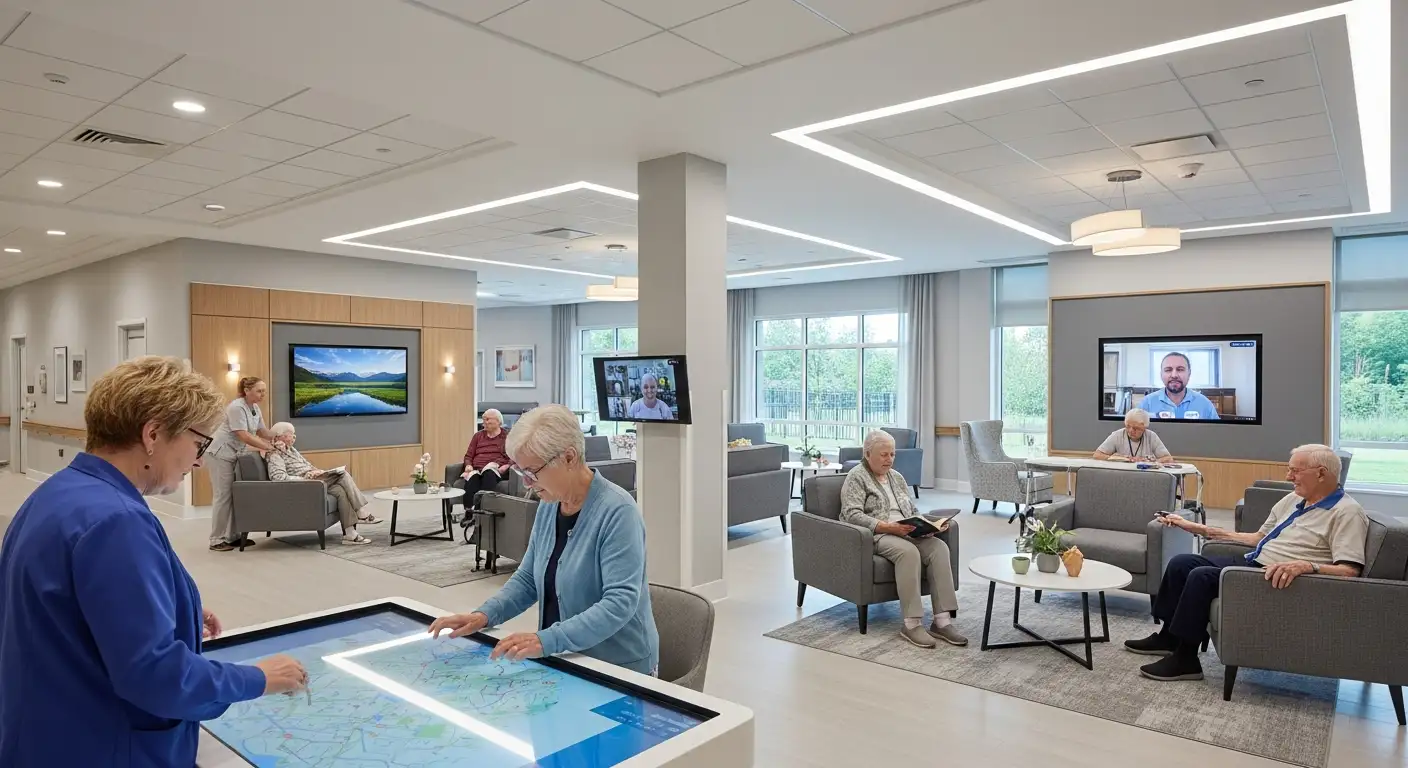
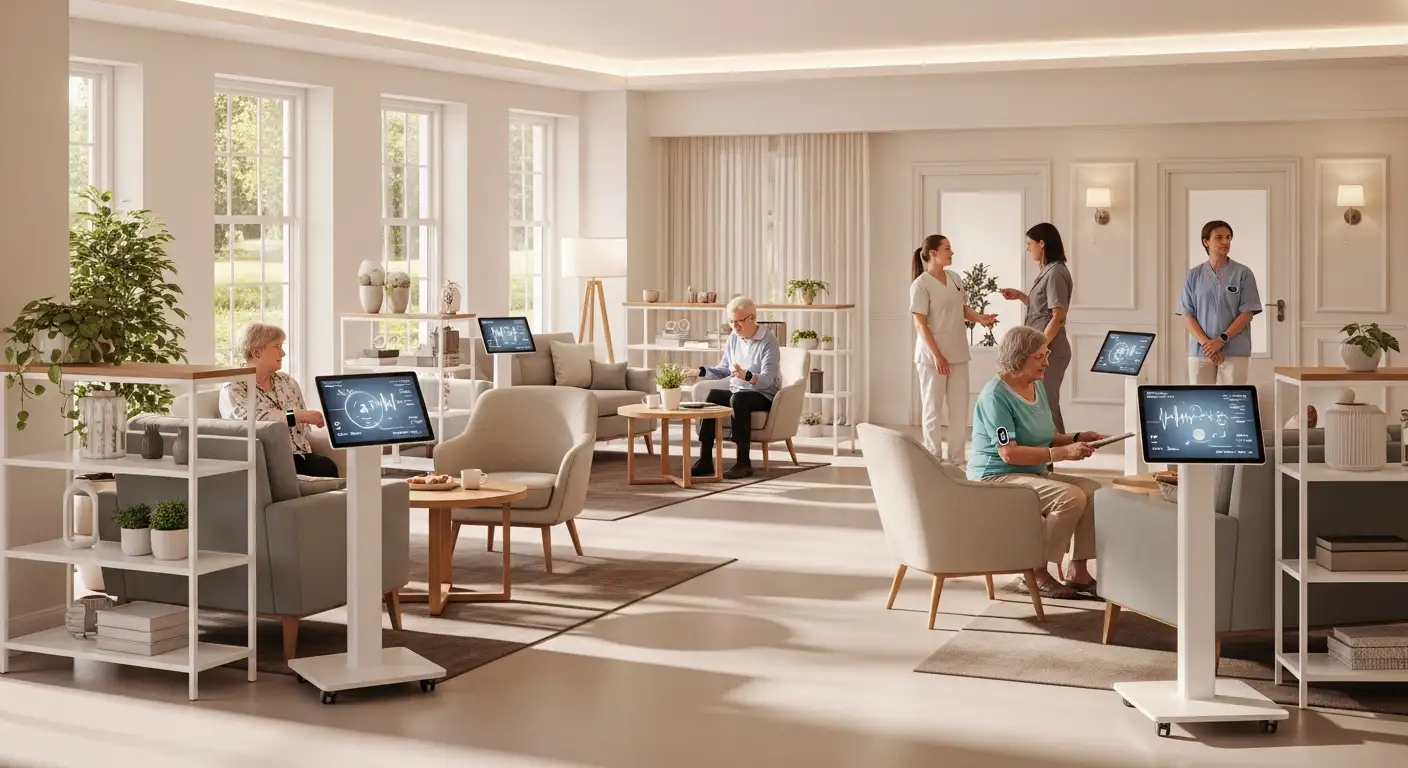
As the senior population grows, the demand for care models that holistically address their physical, emotional, social, and cognitive needs has intensified. Hybrid care—an integrative approach combining in-person, digital, and community-based services—emerges as a transformative solution enhancing overall wellbeing among older adults. This article explores the components, benefits, and strategic design of hybrid care programs that support sustainable health outcomes, weight management, and purposeful aging.
Defining Effective Wellness Programs for Seniors
What Are the Essential Components of Effective Wellness Programs?
Effective wellness programs for seniors adopt a holistic approach that addresses multiple interconnected aspects of well-being.
Comprehensive Wellness Components
These programs integrate physical health, mental well-being, social interaction, and environmental support to create a nurturing, health-promoting environment.
Mental and Physical Health Initiatives
Physical initiatives often include activities like chair yoga, resistance-band strength training, and aquatic aerobics, which help maintain muscle mass, improve balance, and reduce fall risks. Nutrition guidance tailored to individual medical needs supports immune function and overall vitality. Mental health support involves counseling, mindfulness practices, art and music therapy, and peer support to boost emotional resilience and life satisfaction.
Social Engagement and Environmental Factors
Programs emphasize social connection to counter loneliness and isolation, which are linked to chronic health issues. Group activities with same-age and same-gender peers increase comfort and participation. Assisted living facilities foster wellness by incorporating welcoming indoor and outdoor spaces, fitness centers, and accessible walking paths that encourage community involvement.
Financial Wellness and Motivation
Incentives such as rewards for meeting wellness goals motivate participants. Flexible programming options—like in-person sessions scheduled multiple times per week—accommodate preferences and enhance engagement. Recognition of achievements and personalized coaching further inspire sustained healthy behaviors.
Together, these components work synergistically to improve seniors’ quality of life, promote independence, and reduce healthcare costs by preventing hospitalizations and managing chronic diseases effectively.
Designing Senior Wellness Programs: Tailoring to Preferences and Behaviors
How Do Age, Gender, and Healthy Behaviors Influence Wellness Program Preferences?
Older adults’ preferences for wellness activities are closely linked to their age, gender, and current health behaviors. Studies show that participants who actively engage in health-promoting behaviors like exercise and spiritual growth tend to favor related activities within wellness programs. Age also plays a role; for example, younger seniors often prefer more individualized support such as one-on-one coaching, while older participants may favor group settings. Gender influences preferences significantly—female participants show a higher interest in group activities and favor peers who match their gender and age.
Should Wellness Programs Focus on Group or Individual Activities?
The choice between group and individual activities depends on participants’ preferences shaped by demographics and behaviors. Many older adults appreciate group activities that offer social connection, especially those who prioritize purposeful living and stress management. For women, group-based programs with same-gender peers provide added comfort and motivation. Conversely, men and younger older adults may prefer personalized sessions or coaching, sometimes accompanied by rewards to encourage goal attainment.
What Are Common Preferences Regarding Program Frequency, Duration, and Delivery?
Most seniors indicate a preference for wellness programs that meet about three times a week, with flexible durations allowing them to continue as long as needed. Delivery modes vary: in-person sessions remain popular due to the social interaction they foster, but routines with a consistent schedule help maintain engagement. Many participants also appreciate reward systems as motivation to meet their wellness goals.
How Does Social Connection Enhance Engagement in Wellness Programs?
Social connection is a foundational element encouraging participation and persistence in wellness activities. Activities like connecting with social groups rank highly among older adults, and fostering purposeful living through communal experiences supports emotional well-being. Addressing social isolation through group events not only enhances mental health but may reduce risks of chronic conditions influenced by loneliness. Consequently, programs that integrate social interactions tend to be more effective in promoting lasting healthy behaviors among seniors.
| Factor | Effect on Preference | Notable Details |
|---|---|---|
| Age | Younger seniors prefer one-on-one coaching | Older seniors lean toward group sessions |
| Gender | Women favor group activities with same-gender peers | Men may prefer individual sessions |
| Healthy Behaviors | Positive health habits increase interest in related programs | High exercisers and spiritual individuals are more engaged |
| Program Frequency | Preference for 3 times per week | Flexible duration preferred |
| Delivery Method | In-person favored with set routines | Rewards motivate continued participation |
| Social Connection | Strongly linked to improved engagement and well-being | Combats loneliness, supports mental health |
Physical Activity and Nutrition: Cornerstones for Sustainable Weight Loss and Health

How can wellness programs contribute to sustainable weight loss?
Wellness programs contribute to sustainable weight loss by fostering long-term lifestyle changes centered on healthy eating and physical activity. They emphasize adopting balanced, nutrient-rich diets like the Mediterranean diet, which includes plenty of fruits, vegetables, whole grains, lean proteins, and healthy fats. This dietary approach supports cardiovascular health, cognitive function, and provides energy while helping with weight control.
Role of regular physical activity
Engaging in regular physical activities such as chair yoga, resistance-band strength training, and aquatic aerobics is crucial for older adults. These exercises help maintain muscle mass, improve balance, reduce fall risk, and boost neuroplasticity. Sustained movement enhances physical endurance and strength, which in turn supports independence and effective weight management.
Balanced nutrition tailored to medical needs
Nutrition plans tailored to older adults' specific medical conditions optimize immune function, aid wound healing, and improve medication absorption. Nutrient-dense diets reduce the risk of malnutrition and chronic illnesses, promoting overall wellness. They serve as a foundation to complement physical activity and other wellness initiatives.
Impact on chronic condition management and weight control
Combining consistent exercise with appropriate nutrition supports the management of chronic diseases like diabetes, cardiovascular issues, and obesity. Wellness programs encourage gradual behavior change rather than abrupt restrictions, making sustainable weight loss attainable. This approach also promotes purposeful living and emotional well-being, enhancing overall health outcomes for seniors.
Mental and Emotional Wellbeing: Integrative Care Approaches
Counseling, Mindfulness, and Peer Support
Mental health initiatives in senior wellness frequently incorporate counseling services, mindfulness practices, and peer support groups. These approaches provide older adults with tools to manage stress, anxiety, and emotional challenges, fostering resilience and improving engagement in daily activities. Mindfulness techniques help to cultivate present-moment awareness, which can reduce symptoms of depression and enhance emotional regulation.
Art, Music, and Horticultural Therapies
Creative therapies such as art, music, and horticultural therapy offer stimulating, enjoyable outlets that support emotional expression and cognitive function. These activities not only engage seniors' creativity but also promote social interaction and relaxation, which are essential for mitigating feelings of loneliness. Participating in these therapies can lead to improvements in mood and cognitive stimulation.
Managing Loneliness and Depression
Loneliness is a significant concern among older adults, linked to increased risks of chronic diseases and mental health disorders. Integrative care models address loneliness and depression through group activities and social engagement opportunities. Group-based exercises and peer support promote social connections that reduce isolation and depressive symptoms. Creating environments that encourage meaningful social interaction helps improve emotional wellbeing and decreases healthcare costs related to isolation.
Impact on Life Satisfaction and Cognitive Function
Mental and emotional wellbeing initiatives contribute positively to seniors' overall life satisfaction. By combining therapeutic activities with social support, these programs enhance cognitive health and emotional stability. Creative therapies, along with mindfulness and peer connections, support neuroplasticity and cognitive resilience, helping older adults maintain quality of life and independence.
Through comprehensive integrative care, mental health initiatives in senior wellness foster holistic wellbeing, addressing both emotional needs and cognitive functioning to enrich seniors' daily lives.
Social Engagement and Its Role in Combating Isolation and Chronic Disease

What is the Link Between Social Isolation and Chronic Health Risks?
Social isolation and loneliness significantly raise the risk of chronic health conditions in older adults. These conditions include cardiovascular disease, type 2 diabetes, cognitive decline, and depression. With approximately 26% of the global population and nearly 30% of adults over 60 experiencing loneliness, it emerges as a substantial public health concern.
What are the Economic Impacts of Senior Loneliness?
The economic toll of social isolation among seniors is profound. Increased healthcare spending is a major consequence, with loneliness driving an additional $6.7 billion annually in Medicare costs in the United States alone. These expenses are linked to the higher rates of hospitalizations, chronic disease management, and mental health care needs experienced by isolated seniors.
Why are Group Activities and Purposeful Living Important?
Engagement in group-based activities and cultivating purposeful living are vital for senior wellness. Group exercises not only improve physical health by enhancing strength and balance but also combat depressive symptoms and reduce feelings of loneliness. Purposeful living, including involvement in meaningful social roles and goals, supports mental health and emotional well-being.
How Can Social Connectivity and Support be Fostered in Older Adults?
Effective strategies to enhance social engagement include:
- Designing wellness programs that emphasize social connections, such as group fitness classes, peer support groups, and social outings.
- Incorporating activities that encourage purposeful living and community participation.
- Promoting environments in assisted living facilities that facilitate socialization through shared spaces and routine social events.
- Utilizing mental health support services like counseling and creative therapies (music, art, horticulture) to improve emotional health.
- Encouraging healthy lifestyle habits that naturally foster social interaction, including nutrition, exercise, and mindfulness practices.
These approaches collectively help reduce isolation, support mental and physical health, and ultimately improve quality of life among older adults.
Long-Term Care Programs: Supporting Independence Through Hybrid Models
What types of care programs support long-term health and wellness?
Long-term care programs encompass both residential and community-based services designed to promote continuous health and well-being among older adults. Residential options such as nursing homes and assisted living facilities provide essential medical supervision alongside support for daily living tasks. These settings often include wellness components like nutritious meals, physical fitness activities, mental health support, and social engagement opportunities.
Community-based services enable seniors to remain in their own homes while receiving necessary assistance. Examples include home health care, adult day programs, transportation services, and health education, all of which support aging in place and encourage independence.
Specialized units within these programs cater to specific health needs. Memory care units serve individuals with dementia, while other personalized support targets chronic conditions and rehabilitation requirements. This approach ensures tailored care that preserves dignity and autonomy.
Medical supervision is integrated with wellness activities to maintain physical strength, manage chronic diseases, and enhance emotional well-being. For instance, fitness classes like chair yoga or aquatic aerobics help maintain muscle mass and reduce fall risk. Nutritional guidance is adapted to meet individual medical needs, promoting immune function and overall vitality.
Patient-centered care is foundational to these models—emphasizing respect, autonomy, purposeful living, and social connection. Programs are designed to engage seniors through group activities, personalized routines, and adaptable delivery methods that suit their preferences and current health behaviors. This fosters a culture of health that supports longevity and quality of life while minimizing social isolation and its associated risks.
| Care Program Type | Features | Contribution to Wellness |
|---|---|---|
| Residential Care | Nursing homes, assisted living, memory care units | Medical oversight, daily assistance, wellness and social programs |
| Community-Based Services | Home health care, day programs, transportation | Independence support, health education, social inclusion |
| Specialized Units | Dementia care, chronic disease management | Tailored support preserving autonomy |
| Integrated Wellness | Physical fitness, nutrition, mental health | Improved strength, cognitive function, emotional well-being |
| Patient-Centered Approach | Respect, autonomy, group engagement | Enhanced quality of life, purposeful living, resilience |
Monitoring Outcomes and the Future of Senior Wellness Programs
Tracking hospitalization and fall incidents
Monitoring hospital admissions and fall incidents is crucial in evaluating the effectiveness of wellness programs for older adults. These metrics help identify health risks early and guide interventions to reduce acute health episodes. Programs that emphasize physical activity, such as chair yoga and aquatic aerobics, have been shown to improve strength and balance, thereby lowering fall risk.
Assessing depression scores and weight stability
Regular assessment of depression scores provides insights into the mental and emotional well-being of seniors involved in wellness initiatives. Emotional support activities, including counseling, art and music therapy, contribute to improved life satisfaction and reduced depressive symptoms. Weight stability is another important outcome, as good nutrition tailored to medical needs supports immune function and overall health maintenance.
Community-integrated healthcare and education
Integrating wellness programs within community healthcare settings ensures continuity of care and personalized support. Organizations like NCOA's Center for Healthy Aging (CHA) focus on culturally relevant, evidence-based programs that enhance independence and address chronic conditions. These programs often include health education and preventive screenings, empowering seniors to manage their health proactively.
Emerging therapies and technology in senior care
Innovation plays a growing role in senior wellness. Creative therapies such as horticultural therapy and virtual reality enhance cognitive function and emotional well-being. Additionally, novel approaches like cannabinoid-based therapy are explored for managing discomfort, anxiety, and sleep disturbances. Onsite healthcare facilities equipped with emergency response systems further support timely care and promote autonomy.
This multi-faceted approach to monitoring and innovating ensures that senior wellness programs continue to adapt and effectively meet the evolving needs of older adults.
The Path Forward: Embracing Hybrid Care to Enhance Senior Wellbeing
Hybrid care models represent the future of senior wellness by combining the best of physical, mental, and social health initiatives within personalized and adaptable frameworks. These programs acknowledge older adults' diverse preferences and needs, integrating evidence-based interventions on nutrition, physical activity, mental health, and social engagement to foster sustained wellbeing. With the incorporation of technology, community partnerships, and comprehensive outcome monitoring, hybrid care has the potential to not only improve health outcomes and quality of life for seniors but also reduce healthcare costs and promote independence. Embracing these approaches is critical to supporting an aging population to live purposefully, healthily, and with dignity.
References
- Aging Adults' Preferences for Wellness Program Activities ...
- The Positive Impact of Wellness Programs in Assisted ...
- Healthy Aging Programs
- Effectiveness of Health and Wellness Initiatives for Seniors
- Patient-Centered Care for Older Adults: A Focus on Social ...
- How Wellness Programs Reduce Health Risks in Aging
- 12 Components of Employee Wellness Programs

Recent articles
Want to Feel Better and Live Healthier?
Join hundreds of patients taking control of their health with personalized care that fits their life – not the other way around.
Rated 4.8/5 by 32+ customers


