
Why Hybrid Programs Improve Coordination Between Caregivers and Seniors
Revolutionizing Senior Care Coordination Through Hybrid Models
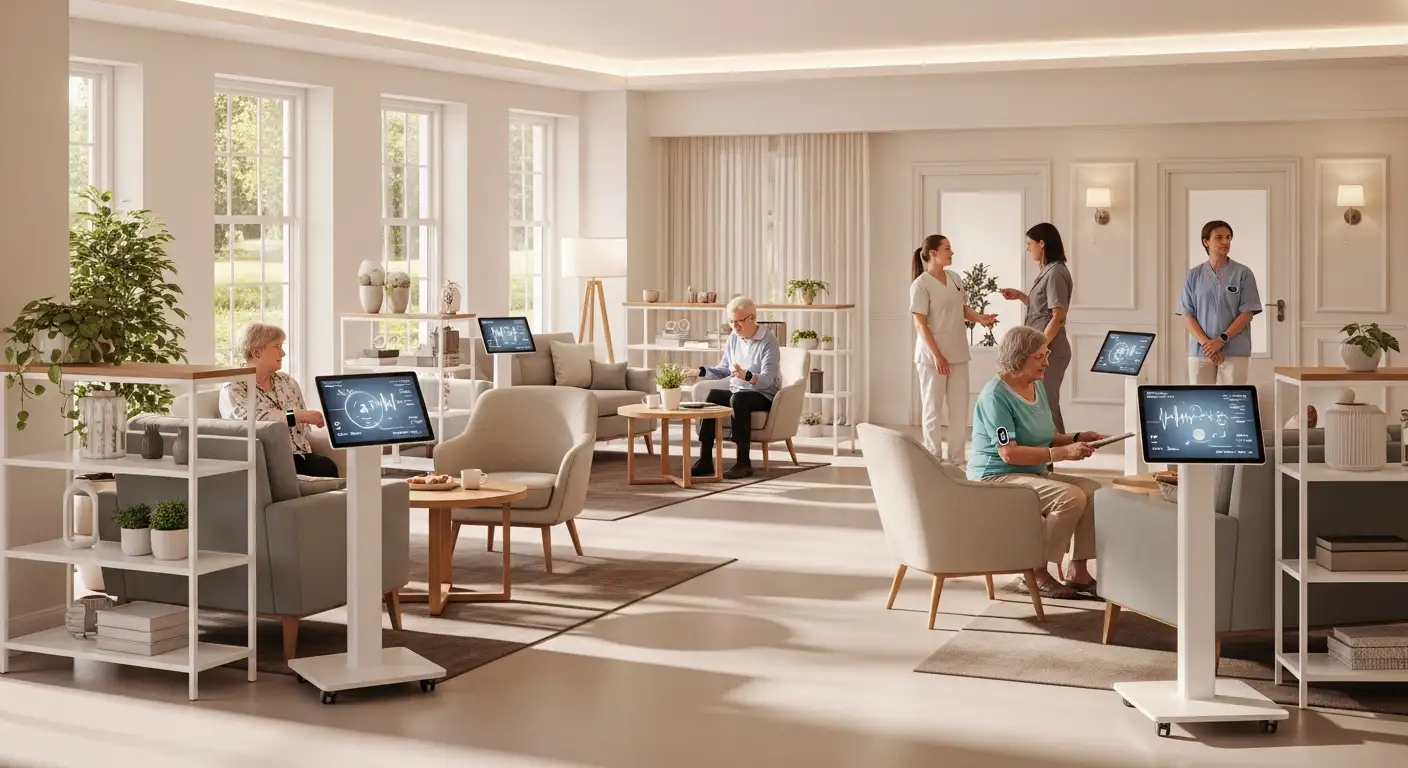
As the aging population grows, ensuring effective coordination between caregivers and seniors has become paramount. Hybrid care programs, blending traditional in-person methods with modern eHealth technology, promise to enhance wellness, prevent frailty, and improve health outcomes. This article explores how these hybrid programs facilitate smoother communication, personalized care, and proactive health management, unfolding the key components that drive successful care coordination and wellness for older adults.
Understanding Hybrid Care Programs for Seniors
What is a Hybrid Care Model?
A hybrid care model for seniors combines various elements of existing geriatric care frameworks into a single, cohesive system. This approach aims to provide holistic, continuous care tailored to the complex and changing needs of older adults.
Components of Hybrid Care Programs
Hybrid programs integrate multiple care components such as outpatient evaluation, community-based care, transitional care, home-based care, and acute care services. These programs often include interventions like comprehensive assessments and training older adults in self-care practices. Primary caregivers support these efforts, drawing on behavioral theories like self-efficacy and social interdependence to promote engagement and adherence.
Continuum-of-Care Approach
At the heart of hybrid models is the continuum-of-care philosophy, emphasizing coordinated care delivery from initial assessment through ongoing monitoring and transition phases. This approach leverages tools such as electronic health records, telehealth monitoring, and frequent patient visits to ensure seamless communication and timely adjustments. By integrating various care settings and interventions, hybrid models strive to improve health outcomes, reduce hospital admissions, and enhance quality of life for seniors living at home.
The Role of eHealth in Senior Care Coordination
What types of eHealth tools are used in care coordination for older adults?
Three main categories of eHealth tools facilitate care coordination for older adults living at home: electronic health records (EHRs) and patient portals, telehealth monitoring solutions, and telephone-only interventions. EHRs and patient portals enable seamless sharing of patient data and documentation, offering real-time access to medical histories and care plans. Telehealth monitoring solutions, such as sensor technologies and virtual wards, support proactive management of complex health needs by continuously tracking vital signs and health status remotely. Telephone interventions remain vital, especially for seniors with limited digital experience, bridging gaps in communication and ensuring ongoing engagement with healthcare teams.
Why is communication central to eHealth-enabled care coordination?
Communication stands out as the core care coordination activity in all eHealth studies involving older adults. Electronic messaging platforms, telehealth video calls, and telephone interactions enable timely exchanges between patients and healthcare professionals. This constant and accessible communication enhances relational continuity, which fosters patient trust and adherence. It also provides seniors with a sense of security and safety, crucial for managing chronic conditions and responding promptly to health changes.
How do eHealth tools facilitate transitions, monitoring, and follow-up in senior care?
eHealth solutions streamline several critical care coordination functions. They facilitate transitions by updating and sharing patient information during moves between care settings, reducing errors and lapses. Continuous monitoring through telehealth sensors allows healthcare providers to observe changes in seniors' health proactively, enabling early intervention. Additionally, follow-up activities are supported through scheduled virtual check-ins or telephone calls, ensuring adherence to care plans and adjustment of treatments as needed. Collectively, these functions contribute to improved mental and physical health outcomes, and reduced hospital admissions among older adults using eHealth in care coordination.
Benefits of Combining eHealth with Traditional Methods
Bridging the Digital Divide
While eHealth tools such as electronic health records, patient portals, and telehealth monitoring provide powerful means for care coordination, not all older adults have equal access or comfort with these technologies. Telephone interventions remain vital in bridging this digital divide by offering a familiar and accessible communication channel for seniors who may lack experience or confidence in newer digital platforms.
Telephone Interventions Alongside Digital Tools
The integration of telephone-only interventions alongside digital eHealth solutions allows for more inclusive care coordination. This blended approach helps maintain continuous communication, especially for older adults who face barriers like age-related impairments or limited technological knowledge. It ensures that no patient is left behind and that traditional, trusted methods supplement advanced tools.
Enhancing Relational Continuity and Security
Combining eHealth with traditional methods strengthens relational continuity between patients and healthcare professionals. Regular telephone contacts and digital communications together create a sense of safety and security, fostering ongoing trust and personalized support. This dual approach encourages patients to stay engaged in their care plan and feel reassured that help is always accessible.
Increased Adherence Through Mixed Approaches
When eHealth tools are complemented by telephone communication, older adults receive comprehensive education and support tailored to their individual needs. This personalized attention improves adherence to preventive screenings, personalized care plans, and lifestyle modifications. The combination of high-touch, coordinated care via multiple channels enhances outcomes and reduces hospitalizations by proactively addressing patient health.
In summary, blending eHealth technologies with traditional telephone methods offers a balanced, patient-centered approach that supports older adults' varied needs and creates a more effective, inclusive care coordination system.
Effective Communication as the Cornerstone of Care Coordination
Communication is a Central Element in eHealth-Enabled Care Coordination
Across all 16 studies reviewed, communication emerged as a fundamental activity in the care coordination process for older adults. This universal emphasis highlights the essential role that timely and accurate information exchange plays in managing complex health needs effectively.
Electronic Messaging and Telehealth Support Direct Communication
Electronic messaging platforms and telehealth technologies are widely utilized to facilitate ongoing dialogue between seniors, caregivers, and healthcare providers. These tools enable quick sharing of health updates, appointment reminders, and monitoring data, all key for proactive care management. Telehealth's ability to support real-time consultations helps bridge geographical divides and ensures older adults receive prompt attention.
Facilitating Understanding Among Caregivers and Seniors
Ensuring clear communication is critical to enhancing seniors' comprehension of their care plans. eHealth solutions support this by providing accessible patient portals and interactive tools that simplify health information. Additionally, training caregivers to use these technologies effectively fosters relational continuity, promotes a sense of security, and empowers older adults to participate actively in their care decisions.
By combining digital communication tools with personalized support and education, healthcare teams can significantly improve coordination outcomes, leading to better adherence, reduced hospitalizations, and improved mental and physical health among older adults.
Personalized Care Plans Tailored to Senior Needs
Comprehensive assessments
Personalized care plans for older adults begin with thorough assessments. These include detailed medical histories, physical examinations, and screenings to detect early signs of conditions like hypertension or prediabetes. Such comprehensive evaluations enable healthcare providers to identify specific health risks and needs, laying a solid foundation for customized interventions.
Behavioral multi-domain interventions
Care plans often incorporate behavioral interventions aimed at multiple aspects of health. For example, training older adults in self-care practices, supported by primary caregivers, has been shown to improve frailty scores significantly. These interventions draw from theories like self-efficacy and social interdependence, emphasizing the importance of empowering seniors to participate actively in managing their health. Improvements in physical functioning, as measured by tools like the Short Physical Performance Battery (SPPB), demonstrate the effectiveness of these approaches.
Addressing physical, nutritional, and social factors
Effective personalized plans also target a range of influences on health beyond medical treatment. Nutritional status, social vulnerability, and symptoms such as falls, ulcers, and pain are carefully monitored and managed. By addressing these factors comprehensively, care plans help reverse or slow frailty and enhance overall quality of life. Moreover, tailoring support to individual needs — including assistance with housing, transportation, and financial resources — ensures that social determinants of health are integrated into care coordination.
These personalized approaches acknowledge that frailty is a reversible condition when addressed early and holistically, leading to better health outcomes for seniors living at home.
Frailty Reversal Through Tailored Interventions
How is frailty considered a reversible condition?
Frailty in older adults is increasingly recognized as a dynamic and reversible condition rather than an inevitable consequence of aging. Comprehensive assessments and targeted interventions can modify the aging process healthily, improving overall quality of life.
What impact do personalized behavioral interventions have on frailty?
Personalized multi-domain behavioral interventions, grounded in theories like self-efficacy and social interdependence, have demonstrated significant improvements in frailty indices. Training older adults in self-care practices with support from primary caregivers fosters empowerment and positive health changes.
How do these interventions improve physical functioning?
Studies report measurable enhancements in physical functioning scores, such as the Short Physical Performance Battery (SPPB). Interventional groups have shown score increases from baseline values of around 5 up to 7, indicating better mobility and strength.
Additional notes on intervention outcomes
Additional benefits observed include improved nutritional status, reduced social vulnerability, and alleviation of common symptoms such as falls, ulcers, and pain. These improvements were consistent across diverse socio-demographic groups, highlighting the broad effectiveness of the approach.
Facilitators That Enhance eHealth Effectiveness
Available Patient Support
Support for older adults in using eHealth tools significantly boosts their engagement and outcomes. Assistance might include technical help, education about the tools, and ongoing encouragement, which helps overcome barriers related to lack of experience or confidence.
Relational Continuity with Healthcare Professionals
Maintaining consistent relationships between seniors and their healthcare providers fosters trust and encourages regular use of eHealth platforms. Familiar health professionals can better understand individual needs, enhancing personalized care coordination.
Sense of Security and Safety in Digital Communication
Older adults benefit greatly when using eHealth technologies that provide a strong sense of safety. Secure, reliable digital communication channels reduce anxiety about privacy and receiving prompt responses, encouraging more active participation and timely health monitoring.
Together, these facilitators form a supportive environment where older adults can confidently engage with eHealth tools like electronic health records, telehealth solutions, and patient portals. Ensuring these supports are in place is essential for successful and sustained use of digital health technologies in care coordination.
Barriers Hindering eHealth Usability for Seniors
Age-related impairments and lack of confidence
Older adults often face challenges when using eHealth tools due to age-related impairments such as reduced vision, hearing difficulties, and limited fine motor skills. These physical limitations can make navigating electronic devices and complex interfaces difficult. Additionally, many seniors lack prior experience with digital technology, which can lead to low confidence and limited knowledge in using eHealth platforms effectively. This digital unfamiliarity contributes significantly to their hesitation or inability to fully utilize healthcare technologies.
Healthcare professionals’ workload
Increasing workload among healthcare professionals also acts as a barrier to the successful implementation of eHealth for seniors. Clinicians may experience time constraints that limit their ability to support older patients in using technology or to engage fully with eHealth systems like electronic health records (EHRs). This strain can reduce the quality and continuity of personalized assistance, which is crucial for seniors adapting to new digital health tools.
Access issues to electronic health records
Limited access to electronic health records and patient portals further hampers communication between healthcare providers and older adults. Problems with user interface design, security concerns, or lack of integration across systems often prevent seniors from fully benefiting from these records. Such accessibility challenges can inhibit their ability to track health information, stay informed about care plans, or communicate timely changes, undermining the effectiveness of care coordination.
Addressing these barriers requires tailored support strategies that educate and assist seniors, reduce provider workload through efficient workflows, and improve portal usability to ensure equitable access. Incorporating traditional methods like telephone support alongside eHealth can also help bridge gaps in technology adoption among older adults.
Proactive Healthcare Models Prioritizing Prevention
Early diagnosis and screenings
Proactive healthcare models emphasize comprehensive assessments to catch health issues early. Detailed medical histories, physical exams, and preventive screenings for conditions like cancer, osteoporosis, and cardiovascular disease are standard. Such thorough evaluations enable early diagnosis of chronic conditions, including hypertension and prediabetes, which can then be managed before complications arise. Vaccinations also form an essential part of this preventive strategy, helping to protect seniors from infectious diseases.
Value-based care principles
These models focus on value-based care, aiming to improve health outcomes by delivering personalized, coordinated care that meets individual needs. Value-based care prioritizes reducing hospitalizations and emergency visits through early health issue management and continuous support. This approach relies on high-touch, coordinated care involving frequent patient interactions and a dedicated care team, ensuring ongoing monitoring and timely adjustments to treatment plans.
Reducing hospital admissions through early intervention
Early intervention facilitated by proactive models significantly lowers hospital admission rates among older adults. Through tools such as telehealth monitoring and electronic health records, healthcare providers can observe changes in health status and respond promptly. This real-time monitoring helps prevent crisis situations requiring hospital care. Studies highlight that these early actions, combined with personalized care plans and patient education, contribute to better mental and physical health, as well as reduced rehospitalization rates.
The Power of Monitoring and Early Intervention
Use of Telehealth Monitoring Solutions and Sensors
Telehealth monitoring solutions, including advanced sensor technologies, are increasingly utilized to support older adults living at home. These tools allow healthcare providers to track vital signs and daily activities remotely, enabling early detection of health changes without requiring frequent in-person visits.
Virtual Wards to Reduce Emergency Visits
Virtual wards, integrated with telehealth monitoring, act as coordinated care units that manage complex patient needs remotely. By offering continuous observation and prompt interventions, virtual wards have proven effective in reducing emergency department visits and hospital admissions among seniors with multiple health conditions.
Proactive Observation Improves Care Management
Proactive healthcare models supported by eHealth facilitate ongoing monitoring that helps professionals identify health declines before they escalate. This early detection translates into timely care management, which can prevent complications, reduce rehospitalizations, and ultimately enhance seniors’ quality of life.
Collectively, these telehealth monitoring approaches empower care teams to maintain close oversight of older adults’ health, ensuring personalized and timely interventions that improve outcomes and preserve independence.
Integrating Social Determinants of Health in Care Coordination
Addressing Housing, Transportation, and Finances
Social determinants such as housing stability, reliable transportation, and financial resources deeply influence the health and well-being of older adults. In care coordination, recognizing these factors is essential. For instance, secure and accessible housing supports medication adherence and access to care. Reliable transportation ensures seniors attend medical appointments and engage in community activities, while financial resources impact the ability to afford health services and medications.
Importance for Sustained Health and Wellness
Addressing these social determinants is crucial for sustained health outcomes. Without considering these aspects, even the most advanced eHealth tools and clinical interventions may fall short. Incorporating support for social needs reduces hospital readmissions and emergency visits by removing barriers to consistent care and healthy living environments.
Holistic Approach in Hybrid Models
Hybrid care models embrace a comprehensive, continuum-of-care strategy that integrates these social determinants alongside medical management. By coordinating outpatient, community-based, home, and acute care, these models provide holistic support. This coordination ensures that social challenges are addressed alongside clinical needs, enabling personalized and effective care plans. These approaches reflect a preventive, value-based philosophy that enhances quality of life and health outcomes for seniors living at home.
Patient Education as a Catalyst for Senior Engagement
Education on health conditions and lifestyle changes
Patient education is a foundational element in empowering seniors to actively participate in their healthcare. By providing clear, accessible information about their health conditions and necessary lifestyle modifications, seniors gain a deeper understanding of how to manage their well-being effectively. This education often covers topics such as nutrition, exercise, medication adherence, and recognizing early signs of health deterioration.
Empowerment and adherence enhancement
Educating older adults fosters a sense of empowerment, enabling them to take control of their health. Empowered patients tend to show higher adherence to treatment recommendations, which directly improves health outcomes. When seniors understand the reasons behind their care plans, they are more likely to follow through with prescribed therapies, thereby reducing complications and enhancing quality of life.
Role in preventing hospital readmissions
Effective patient education also plays a critical role in reducing hospital readmissions among older adults. By teaching patients how to manage chronic conditions and when to seek timely medical assistance, education helps prevent complications that often lead to rehospitalization. This proactive approach aligns with current value-based care strategies aimed at early intervention and comprehensive support, ultimately improving care coordination and minimizing avoidable hospital visits.
Long-Term Support Systems in Hybrid Care Programs
How do care programs support long-term weight maintenance after initial weight loss?
Hybrid care programs for older adults emphasize ongoing guidance, monitoring, and behavioral support to sustain healthy lifestyle changes made during initial treatment phases. Continuous monitoring through telehealth and eHealth tools allows healthcare professionals to track patients' progress over time, identifying potential weight management challenges early.
Behavioral and emotional support forms a pillar of these programs. Interventions grounded in self-efficacy and social interdependence theories help motivate seniors to maintain dietary changes and regular physical activity. Patient education empowers individuals by increasing their confidence and knowledge, which is essential to managing stress-related eating or other barriers to sustained weight control.
Sustaining lifestyle changes requires personalized approaches. Care plans often include gradual adjustments to caloric intake, adding nutritious, low-fat foods to help patients discover their unique balance for long-term maintenance. Support systems such as dedicated care teams provide relational continuity, fostering a sense of security that encourages adherence.
Additionally, comprehensive care addresses social determinants of health—like transportation and financial resources—that might otherwise disrupt ongoing engagement in healthy behaviors. Programs incorporating frequent follow-ups, preventive screenings, and multi-domain interventions also improve physical functioning and reduce frailty, enhancing the ability to maintain weight loss over the long term.
Overall, the hybrid model's emphasis on high-touch, proactive, and personalized care ensures individuals receive the encouragement and tools needed to prevent weight regain, promoting lasting health benefits in older adults.
Mental Health’s Integral Role in Senior Wellness Programs
What role does mental health play in the success of wellness and weight loss programs?
Mental health is a foundational element influencing the effectiveness of wellness and weight loss initiatives, especially among seniors. It significantly impacts motivation and adherence to lifestyle changes, which are crucial for achieving meaningful health improvements.
Impact on motivation and adherence
Older adults who maintain positive mental health are more likely to stay motivated and committed to wellness programs. Good mental health reduces barriers such as anxiety and depressive symptoms that can disrupt routines and derail progress. Conversely, negative mental health states like stress and depression can reduce the ability to follow diets or exercise plans consistently, increasing risk of weight regain.
Addressing emotional resilience
Equipping seniors with emotional resilience is vital. Programs that incorporate strategies to cope with life stresses, enhance self-compassion, and reframe body image can improve adherence and promote a balanced relationship with health behaviors. This resilience also diminishes the impact of chronic stress, which is known to trigger hormonal responses—such as elevated cortisol—that encourage fat storage and cravings, hindering weight loss efforts.
Including counseling and mindfulness
Integrating supportive counseling and mindfulness techniques within wellness programs offers seniors tools to manage emotional eating and psychological challenges. Social support systems and professional guidance foster behavioral adherence by addressing underlying emotional triggers, thus facilitating sustained improvements.
In summary, mental health care is not just an add-on but a vital component of effective wellness and weight loss programs for seniors. By addressing mental health through counseling, mindfulness, and emotional support, these programs can boost motivation, reinforce adherence, and ultimately improve quality of life.
Motivating Sustainable Weight Loss Within Senior Wellness Programs
What are the most effective components of wellness programs for sustainable weight loss?
Successful weight loss programs for seniors rely on several crucial elements to encourage lasting change. First, setting realistic goals is fundamental. For example, aiming to lose about one pound per week fosters steady and achievable progress. This prevents discouragement and supports sustainable habits.
Personalization plays a vital role. Diet plans must be enjoyable and tailored to individual preferences. Including favorite foods within a balanced nutrition plan helps prevent feelings of deprivation, making it easier for seniors to stick with the program. By adapting diets to each person's tastes, adherence improves significantly.
Regular monitoring is essential for accountability and adjustment. Tracking weight, food intake, and physical activity provides valuable feedback. This enables program facilitators and participants to fine-tune strategies as needed, ensuring continued progress and addressing challenges promptly.
Moreover, ongoing support through diverse channels such as in-person visits, telephone check-ins, or online platforms offers encouragement and motivation. This long-term support helps seniors remain committed and overcome obstacles that arise during their weight loss journey.
Together, these components create a supportive and personalized framework that enhances the chances of sustained weight loss and improved overall wellness for older adults.
Value-Based Care Transforming Senior Health Outcomes
How does value-based care reduce hospitalizations and emergency visits?
Value-based care focuses heavily on early management of health issues and comprehensive support, which plays a crucial role in reducing hospitalizations and emergency room visits for seniors. Instead of reacting to acute episodes, healthcare providers intervene early by closely monitoring health changes using eHealth tools such as telehealth monitoring and electronic health records (EHRs). This proactive model allows timely adjustments to care plans before conditions worsen, resulting in fewer emergency interventions and rehospitalizations.
What comprehensive support systems are included in value-based care?
Comprehensive support in value-based care encompasses several elements tailored to seniors’ complex needs. Frequent patient visits and dedicated care teams ensure continuous monitoring and care coordination. These teams not only address physical health but also integrate social determinants of health like housing, transportation, and financial resources. Support extends beyond medical needs, incorporating preventive screenings and vaccinations to detect issues early. Education empowers older adults to actively participate in their care, increasing adherence to prescribed treatments and lifestyle changes.
Why is there an emphasis on early management and prevention in value-based care?
Prevention and early intervention are fundamental to improving quality of life for elderly patients. By conducting comprehensive assessments—covering detailed medical histories and screenings for conditions such as hypertension, cancer, and osteoporosis—healthcare providers identify risks before severe problems arise. Personalizing care plans based on these assessments enhances outcomes by targeting individual health needs. This approach contrasts with reactive care models, promoting sustained well-being and helping seniors maintain independence longer.
Value-based care models, such as those employed by ChenMed, illustrate these principles in practice, utilizing frequent visits, coordinated teams, and social support to achieve better health outcomes. Ultimately, shifting healthcare toward prevention and personalized care not only reduces hospital usage but also enhances seniors' overall health and quality of life.
ChenMed’s Model: Frequent Visits and Comprehensive Teams
Intensive Care Team Involvement
ChenMed’s approach to elderly care centers around frequent patient visits that allow healthcare professionals to closely monitor health status and swiftly address any changes. The model employs comprehensive care teams comprising primary care physicians, specialists, nurses, and care coordinators who work collaboratively. This coordinated teamwork fosters continuity of care and personalized treatment plans tailored to individual needs, ensuring thorough management of chronic conditions and acute episodes.
Emphasis on Preventive Care
A hallmark of ChenMed's care model is its robust focus on preventive care. Regular screenings and comprehensive assessments help detect health issues like hypertension, prediabetes, and other chronic diseases early. By prioritizing prevention and early intervention, ChenMed effectively reduces risks of hospitalizations and emergency visits. This proactive approach aligns with the value-based care philosophy of improving health outcomes while limiting costly acute care episodes.
Social Support Coordination
Understanding that social determinants greatly impact health, ChenMed integrates support addressing housing, transportation, and financial challenges into their care framework. Their care teams help connect seniors to needed community resources and provide education on lifestyle changes and self-care strategies. This holistic support not only enhances patient safety and security but also empowers older adults to remain in their homes with better quality of life and health maintenance.
Hybrid Models Integrating Community and Home-Based Care
Community-based Evaluation and Transition Care
Hybrid models emphasize a continuum-of-care approach, integrating outpatient evaluations with community-based care and smooth transition processes. This approach ensures older adults receive continuous attention as they move between care settings, reducing gaps in care that often lead to complications or re-hospitalizations.
Home-based and Acute Care Integration
Besides community services, these models incorporate home-based care and acute care services, providing flexible support tailored to seniors' needs. The integration allows healthcare professionals to monitor patients remotely using telehealth tools and intervene promptly, promoting timely adjustments to care plans and preventing unnecessary hospital visits.
Holistic Senior Wellness Approach
These hybrid care models adopt a holistic wellness framework that combines physical, psychological, and social aspects of health. Interventions include training older adults in self-care practices, supported by primary caregivers, based on behavioral theories like self-efficacy and social interdependence. By addressing factors such as frailty, nutrition, and social vulnerability, the models foster improved physical functioning and quality of life. Ultimately, this comprehensive strategy supports the reversibility of frailty and enhances long-term well-being for seniors living at home.
The Importance of Relational Continuity in Care
Building Trusted Relationships with Healthcare Providers
Relational continuity plays a vital role in the effective coordination of care for older adults living at home. When seniors consistently interact with the same healthcare professionals, mutual trust and understanding develop over time. This trusted relationship allows healthcare providers to better understand patients’ unique health histories, preferences, and concerns, which enhances personalized care delivery.
Improving Care Quality and Security
Having a continuous relationship with familiar healthcare professionals improves care quality by ensuring that changes in health status are noticed early and responded to quickly. This continuity fosters a sense of security and safety for older adults, reducing anxiety related to their health management. It also encourages adherence to treatment plans, as patients feel more comfortable discussing challenges and asking questions.
Sustaining Communication Channels
Sustained communication is a cornerstone of relational continuity. Electronic health records, patient portals, telehealth monitoring, and telephone interventions strengthen the ongoing dialogue between seniors and their care teams. These tools facilitate timely follow-up, allow for sharing of health information, and help coordinate transitions smoothly between care settings. Maintaining these communication channels promotes proactive health management and reduces the risk of hospitalization.
In summary, relational continuity supports a collaborative, secure, and responsive healthcare experience for older adults, substantially contributing to improved health outcomes and satisfaction in care coordination.
Training Seniors and Caregivers in Self-Care Practices
How are behavioral theories used in training seniors and caregivers?
Training programs for older adults and their primary caregivers often integrate behavioral theories such as self-efficacy and social interdependence. These theories guide the design of interventions, focusing on improving confidence and skills necessary for effective self-care. By applying these theories, training emphasizes practical, achievable goals that seniors can master, fostering a sense of personal control over their health.
How does social interdependence empower older adults?
Social interdependence plays a crucial role by leveraging the support of caregivers and community, creating a network that encourages positive health behaviors. This interconnected support system enhances motivation and accountability, which helps seniors adhere to self-care routines. The involvement of caregivers also helps manage complex health needs, promoting safety and consistency in care.
What is the impact of training on self-efficacy and independence?
Studies demonstrate that these training interventions significantly boost older adults' self-efficacy—the belief in their ability to manage health challenges—which translates into greater independence. Improvements include better management of frailty, physical functioning, and overall well-being. For example, the Short Physical Performance Battery (SPPB) scores have shown notable improvement, reflecting enhanced mobility and physical capacity. Ultimately, this training supports seniors in maintaining autonomy while reducing reliance on intensive medical services.
Multi-Domain Behavioral Interventions and Outcomes
How do multi-domain behavioral interventions improve frailty indices?
Comprehensive multi-domain behavioral interventions, incorporating detailed assessments and personalized care, can significantly improve frailty indices among older adults. One study showed a reduction of nearly 0.19 points in frailty scores compared to the control group, highlighting the potential to reverse frailty through targeted support. This indicates that frailty—a condition historically viewed as inevitable—can be actively managed and even improved with the right interventions.
What improvements in physical functioning are observed following these interventions?
Physical functioning enhancements are a crucial outcome of behavioral multi-domain interventions. For example, participants demonstrated increased scores on the Short Physical Performance Battery (SPPB), improving from 5 to 7 after intervention. These gains reflect better mobility and physical capacity, which are essential for maintaining independence and reducing fall risk in seniors.
Are the effects of these interventions consistent across different demographic groups?
Yes, the benefits of these interventions show broad applicability. Improvements were consistent across various socio-demographic variables, including nutritional status, social vulnerability, and symptoms like falls, ulcers, and pain. This consistency suggests that multi-domain behavioral interventions can effectively support diverse populations of older adults, making them a versatile strategy in geriatric care.
Overall, these findings affirm that frailty can be treated as a modifiable health determinant. By integrating behavioral theory—such as self-efficacy and social interdependence—into care plans, health professionals can meaningfully enhance quality of life for seniors through holistic and personalized support.
Addressing Nutritional Status and Social Vulnerability
Nutrition’s Role in Wellness and Frailty
Nutrition plays a crucial role in maintaining wellness and preventing frailty in older adults. Comprehensive care interventions often focus on assessing and improving nutritional status as it directly impacts physical functioning and overall health outcomes. Good nutrition supports muscle strength and immune function, reducing the risk of falls, ulcers, and chronic pain that frequently burden seniors.
Mitigating Social Vulnerability
Social vulnerability—factors like limited social support, financial constraints, and isolation—significantly influences seniors’ health. Effective care coordination strategies include addressing these social determinants of health by providing support for transportation, housing, and social connections. This holistic approach helps ensure seniors can maintain their independence and manage their health conditions more effectively.
Improvements in Symptoms Like Falls and Pain
Interventions combining comprehensive assessment and personalized care plans have demonstrated measurable improvements in symptoms associated with frailty. Studies show reductions in occurrences of falls, management of ulcers, and alleviation of pain after targeted interventions. These outcomes illustrate that managing nutritional and social factors together contributes substantially to improved physical functioning and quality of life for older adults.
Overcoming the Digital Divide in Senior Care
How Are Telephone-Only Interventions Used in Senior Care?
Telephone-only interventions remain a vital component of eHealth strategies for older adults. These interventions provide a familiar, low-tech way to maintain communication between patients and healthcare providers. By enabling regular check-ins, reminders, and support calls, telephone use helps bridge gaps for seniors who may struggle with more complex digital tools. This approach ensures care continuity and timely responses to health changes without requiring advanced technology skills.
How Can We Support Seniors With Limited Tech Experience?
Supporting older adults with limited experience or confidence in using eHealth tools involves offering personalized assistance and education. Providing hands-on training sessions, simple user guides, and ongoing technical support increases usability and comfort with digital health systems. Additionally, involving family members or caregivers as technological intermediaries can enhance adoption. Maintaining relational continuity with trusted healthcare professionals also helps seniors feel more secure when navigating eHealth platforms.
What Strategies Help Bridge Gaps in Access and Confidence?
Bridging digital divides requires multifaceted solutions. Offering traditional communication methods like telephone alongside digital options caters to diverse preferences and capabilities. Healthcare systems should ensure easy access to devices and reliable internet connections, especially for underserved populations. Designing user-friendly interfaces tailored to the cognitive and sensory abilities of older adults improves accessibility. Collaborative approaches combining technology with human support create a sense of safety, encouraging sustained engagement.
Together, these strategies allow care coordination to be inclusive, effective, and respectful of individual needs, harnessing technology without leaving seniors behind.
Ensuring Accessible Electronic Health Records
Challenges with EHR access for seniors and caregivers
Older adults often face several barriers when accessing electronic health records (EHRs) and patient portals. Age-related impairments such as reduced vision and cognitive changes, along with limited prior experience or confidence with digital tools, can hinder their ability to navigate these systems. Caregivers also sometimes struggle due to limited access rights or complexities within the portal interfaces.
Improving portal usability
To make EHRs more accessible for seniors, patient portals need to be designed with simplicity and clarity in mind. This includes larger fonts, straightforward navigation, and minimizing technical jargon. Integrating features like voice commands or screen readers can further assist those with visual impairments. Additionally, offering multiple ways to access health information—including telephone-based support—helps bridge the digital divide for those less comfortable with technology.
Training and support needed
Effective use of EHRs requires targeted training and ongoing support tailored to older adults’ specific needs. Providing hands-on tutorials, step-by-step guides, and dedicated help lines improves confidence and encourages use. Continuity of care relationships with healthcare professionals who can patiently assist and reinforce portal usage also fosters a sense of security and safety. Support programs that involve both seniors and their caregivers ensure that technology enhances, rather than complicates, care coordination.
Healthcare Professionals’ Workload and eHealth Integration
Balancing Technology Use with Provider Capacity
Integrating eHealth tools like electronic health records, telehealth solutions, and patient portals in care coordination introduces both opportunities and challenges for healthcare providers. While these technologies enable proactive monitoring and improved communication with older adults, the added responsibilities risk increasing healthcare professionals' workloads. A thoughtful balance is essential to leverage technology benefits without overwhelming providers.
Avoiding Burden Increase
Studies indicate that one barrier to eHealth usability is the heightened workload on healthcare staff, which can result from managing multiple digital platforms and increased communication demands. Efforts to minimize this include offering comprehensive training, automating routine tasks, and ensuring systems are user-friendly. By reducing redundant data entry and facilitating smoother workflows, eHealth can enhance rather than hinder provider capacity.
Streamlining Communication and Data Flow
Effective eHealth implementation streamlines communication and data sharing among care teams through interoperable electronic health records and coordinated telehealth services. This improves transitions between care settings and enables timely responses to patient needs. Consolidating information into centralized digital platforms helps reduce fragmentation, saving providers time and allowing them to focus on direct patient care.
Incorporating eHealth requires organizational support and continuous evaluation to ensure it complements healthcare professionals' workload, optimizes efficiency, and ultimately benefits older adults receiving home care.
Combining Sensor Technology and Virtual Wards for Complex Needs
Supporting seniors with multiple conditions
Telehealth monitoring solutions such as sensor technology and virtual wards play a crucial role in managing older adults with complex health needs. These technologies allow continuous, real-time monitoring of multiple conditions, providing healthcare professionals with timely data to support proactive care.
Reducing emergency visits
The use of these eHealth tools has been associated with a reduction in emergency visits and hospitalizations among seniors. By detecting health changes early and enabling prompt interventions, sensor technology and virtual wards help prevent health crises that would otherwise result in emergency care.
Enhancing remote monitoring capabilities
Sensor technology enables remote observation of vital signs and functional status without the need for frequent in-person visits. Virtual wards create a coordinated care environment where multidisciplinary teams can monitor patients remotely and adjust care plans rapidly, ensuring continuous and personalized support.
Together, sensor technology and virtual wards strengthen the capacity of healthcare systems to deliver comprehensive, patient-centered care at home, improving outcomes for older adults with complex health profiles.
Continuation of Care Across Healthcare Transitions
How can transitions from hospital to home be smoothed for older adults?
Effective care transitions are critical in ensuring older adults maintain health stability after hospital discharge. eHealth tools like electronic health records (EHRs) and patient portals enhance communication among healthcare teams and patients, facilitating clear and coordinated handoffs. Detailed discharge summaries and personalized care plans, often accessible via patient portals, equip seniors and caregivers with instructions tailored to individual needs. Moreover, comprehensive assessments performed before discharge identify risk factors such as frailty and comorbidities, allowing for targeted interventions that support safer transitions.
What role do telehealth and follow-up interventions play?
Telehealth monitoring solutions and telephone interventions provide continuous oversight of older adults’ health status post-discharge. Sensor technology and virtual wards enable proactive detection of deteriorations, prompting timely interventions and adjustments to care plans. Scheduled follow-up calls and virtual visits foster relational continuity, reassuring patients and addressing concerns swiftly. This ongoing engagement empowers seniors through education and self-care training supported by primary caregivers, ultimately promoting independence while minimizing gaps in care.
How does continuity of care minimize rehospitalization?
Maintaining regular communication channels and follow-up routines reduces emergency visits and rehospitalizations. Studies show that eHealth-enabled care coordination can significantly lower hospital admissions by enabling healthcare professionals to monitor changes and respond promptly. Coordinated care teams employing a value-based approach focus on prevention, early intervention, and addressing social determinants such as transportation and housing, thereby ensuring comprehensive support. The combination of personalized care plans, regular monitoring, patient education, and social support creates a safety net that sustains seniors’ health outside the hospital environment.
Maintaining Sense of Security and Safety in Digital Care
Building Trust in Remote Monitoring
For older adults using eHealth tools like telehealth monitoring and electronic health records, trust forms the foundation of effective care coordination. Ensuring reliable and consistent communication fosters relational continuity with healthcare professionals, which helps patients feel secure. Studies highlight that this trust encourages patients to engage proactively with their health management, improving compliance and outcomes.
Privacy and Data Protection
Protecting personal health information is a vital aspect of maintaining a sense of safety in digital care. Robust privacy measures and secure data handling reassure older adults that their sensitive information is safeguarded against unauthorized access. Transparency about how data is used and who can access it further builds confidence in eHealth tools and supports their wider acceptance among seniors.
Patient Reassurance and Compliance
Regular, clear communication enabled by electronic messaging and patient portals reassures older adults, especially when monitoring health changes remotely. A sense of ongoing support reduces anxiety and encourages adherence to personalized care plans. Facilitators such as available patient support and education empower seniors to navigate technology confidently, enhancing their comfort and participation in digital care coordination.
Leveraging Patient Portals for Engagement and Information Sharing
Access to Records and Health Education
Patient portals serve as a vital tool for older adults by providing direct access to their electronic health records (EHRs). This access allows seniors to review their medical histories, laboratory results, medication lists, and upcoming appointments, fostering transparency and clarity about their health status. These portals often include educational resources tailored to the patient's conditions, offering valuable information on disease management, preventive screenings, and lifestyle changes. By integrating relevant health education, patient portals help demystify medical information and empower seniors to understand their care plans better.
Supporting Patient Autonomy
Through patient portals, seniors gain greater control over their healthcare decisions. The ability to securely communicate with healthcare providers, request prescription refills, and manage appointments supports autonomy and reduces dependence on in-person visits. This ease of communication nurtures a relational continuity with healthcare professionals, offering a sense of security and reinforcing trust in the care process. Patient autonomy encouraged by portals is particularly important for individuals managing chronic conditions, as it enables them to actively participate in evolving care plans tailored to their unique needs.
Encouraging Proactive Health Management
Patient portals play a key role in promoting proactive health behaviors among older adults. Features such as automated reminders for preventive screenings, personalized health tips, and alerts for follow-up appointments help seniors stay engaged with their care schedules. When combined with telehealth and monitoring solutions, portals contribute to timely detection of health changes, enabling early intervention and reducing risks of hospitalization. This proactive approach aligns well with value-based care models focused on prevention and maintaining quality of life, emphasizing the importance of user-friendly designs and adequate patient support to overcome barriers like limited experience or confidence in technology.
Implementing Social Support Coordination in Hybrid Programs
Connecting seniors to community resources
Effective social support coordination begins with linking older adults to vital community resources. Hybrid care programs often integrate local services such as senior centers, meal delivery, and home care agencies to create a network that supports seniors’ daily needs. These connections help maintain independence and reduce social isolation by providing opportunities for engagement and assistance.
Addressing financial and transportation needs
A significant barrier for many seniors is lack of affordable transportation and financial constraints, which impact access to healthcare and social services. Hybrid programs intentionally address these issues by coordinating transportation services tailored to medical appointments or social activities, and linking seniors to financial aid programs. This support ensures consistent access to necessary care and promotes adherence to personalized care plans.
Building comprehensive wellness networks
Comprehensive wellness networks involve collaboration among healthcare providers, social workers, caregivers, and community organizations. Hybrid models emphasize this integrative approach, combining outpatient evaluations, home-based care, and supportive social services. By fostering these multidisciplinary partnerships, programs deliver high-touch, coordinated care that continuously monitors seniors’ health and social needs, boosting their overall well-being and resilience.
Empirical Evidence Supporting Hybrid Program Effectiveness
Studies Showing Improved Mental and Physical Health
Multiple studies involving eHealth tools in care coordination for older adults demonstrate significant improvements in both mental and physical health. Of particular note, seven out of sixteen studies reported that seniors using electronic health records, patient portals, telehealth monitoring, and telephone interventions experienced enhanced wellbeing and health status. Improvements included better management of chronic conditions and increased physical functioning, as measured by tools such as the Short Physical Performance Battery (SPPB). For instance, the intervention group’s SPPB scores increased from 5 to 7, illustrating tangible gains in physical capability.
Reduced Hospitalization Rates
A consistent finding across nearly half of the reviewed studies was a reduction in hospital admissions and rehospitalization rates among older adults engaged in eHealth-facilitated care coordination. Telehealth monitoring solutions like sensor technology and virtual wards helped detect health changes early, allowing proactive care management that prevented emergency visits. These programs emphasize prevention and personalized care plans, which together reduce the need for reactive hospital care.
Consistency Across Socio-Demographic Groups
Research highlights that the benefits of hybrid care coordination models extend broadly across diverse socio-demographic groups. Improvements in frailty indices, nutritional status, and symptom management were consistent regardless of age, social vulnerability, or other demographic factors. This broad applicability underscores that comprehensive, personalized interventions coupled with technology can effectively support a wide array of older adults living at home, promoting equity in health outcomes.
The Future of Senior Care: Personalized Technology Integration
Tailoring Digital Tools to Individual Abilities
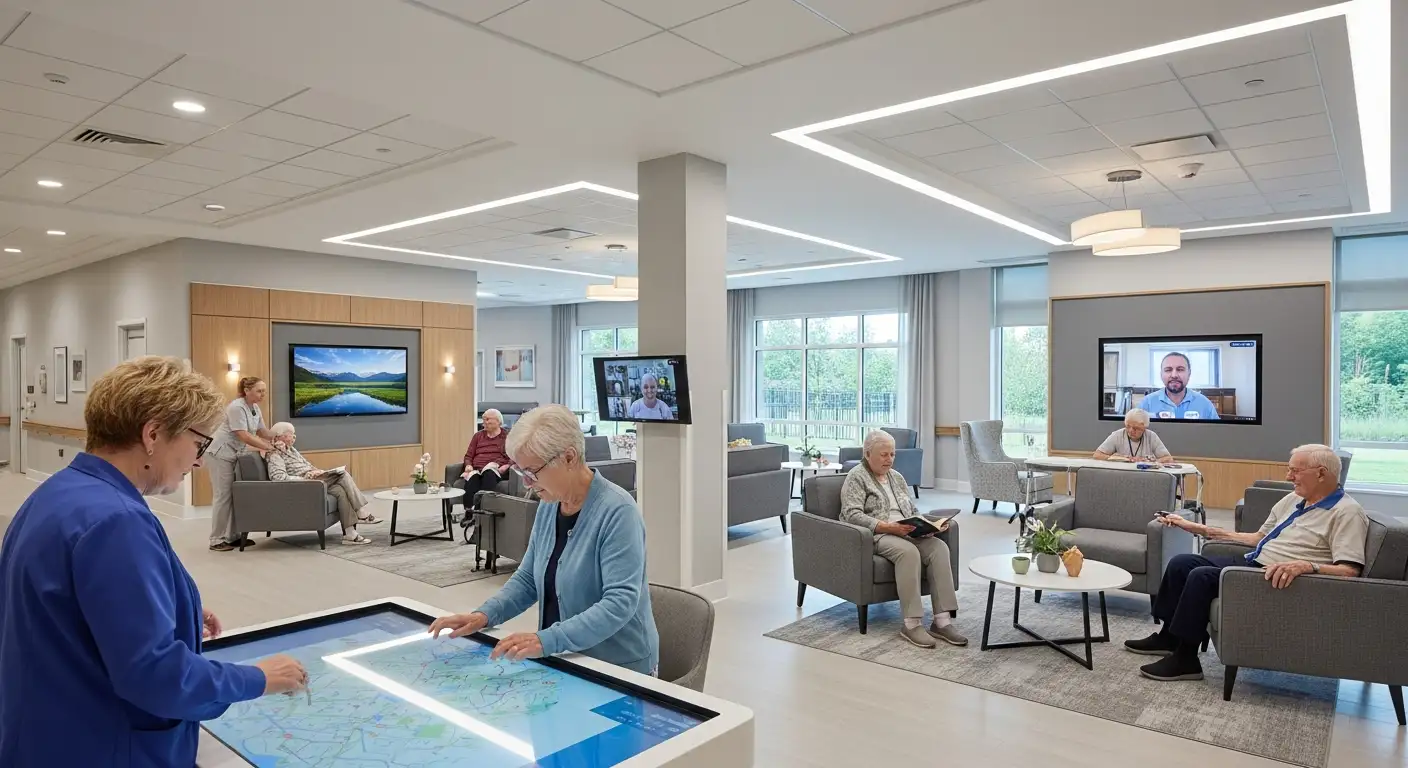
Successful integration of eHealth in senior care hinges on customizing digital tools to match the unique abilities and limitations of older adults. Given age-related impairments and varied familiarity with technology, personalized interfaces and adaptive technologies enhance usability and accessibility. This approach ensures older individuals feel confident and supported, reducing technology-related frustration and fostering ongoing engagement.
Ongoing Education and Support
Providing continuous education and hands-on support for seniors is critical for sustaining effective use of eHealth solutions. Structured training programs, often supported by caregivers or healthcare professionals, empower seniors to independently manage digital tools and take an active role in their health. Complementary educational efforts also address caregivers and staff to streamline workflows and alleviate workload pressures.
Integrating Traditional and Emerging Technologies
A hybrid model blending traditional methods like telephone communication with advanced telehealth monitoring, electronic health records (EHRs), and patient portals offers a balanced solution. This integration ensures continuity of care for those less digitally inclined while leveraging new technologies to enhance monitoring, communication, and proactive intervention. Such synergy helps bridge the digital divide and fosters inclusive care coordination.
Together, these personalized technology strategies mark a promising future for senior care, enhancing quality of life through customized, supported, and integrated digital health solutions.
Summary of Key Takeaways for Caregivers and Providers
Importance of Hybrid Approaches
Care coordination for older adults benefits greatly from hybrid models of care that combine traditional and modern elements. These models integrate outpatient evaluation, community-based care, transition care, home-based support, and acute care to provide holistic, continuous support. Employing multiple modalities—such as telehealth monitoring, electronic health records (EHRs), patient portals, and telephone interventions—ensures that seniors receive care tailored to their unique needs and circumstances. This combination also helps bridge digital gaps, making care accessible even to those less comfortable with technology.
Critical Role of Communication and Personalization
Effective communication stands at the core of successful eHealth-supported care coordination. All reviewed studies highlight communication as a crucial activity, facilitated through electronic messaging, telehealth consultations, and secure access to health records. Personalizing care plans based on comprehensive assessments and ongoing monitoring improves mental and physical health outcomes, reduces hospitalizations, and enhances seniors’ sense of security. Educating patients and involving caregivers boosts confidence and adherence to recommended lifestyle changes and treatments.
Addressing Barriers Proactively
Several barriers hinder eHealth usability for seniors, including age-related impairments, limited technological experience, and healthcare professionals’ increased workload. To overcome these, it is vital to offer tailored support, training, and relational continuity with healthcare providers. Additionally, addressing social determinants such as housing, transportation, and financial resources plays a significant role in maintaining health. Proactive measures to provide adequate education and support ensure that technology complements rather than complicates care delivery.
By focusing on these areas—blending hybrid care models, enhancing communication and personalization, and proactively addressing barriers—caregivers and providers can improve health outcomes and quality of life for older adults living at home.
Advancing Senior Care Through Hybrid Coordination Models
Hybrid programs that blend eHealth technologies with traditional caregiving methods offer a comprehensive framework for improving coordination between caregivers and seniors. They enable proactive health monitoring, personalized care planning, and continuous communication, all of which are crucial for sustaining wellness, reversing frailty, and reducing hospitalizations. The integration of technology must be carefully tailored and supported to overcome usability challenges and ensure a sense of security and relational continuity. Ultimately, these hybrid models represent a vital step toward more effective, value-based care that promotes long-term health and quality of life for older adults.
References
- eHealth in Care Coordination for Older Adults Living at Home
- Improving Health Outcomes in Seniors: From Diagnosis to ...
- Hybrid model of care for older persons for improvement of ...
- eHealth in Care Coordination for Older Adults Living at Home
- Maintaining Weight Loss
- The 7 Components of a Successful Weight Loss Plan
- Association of changes in mental health with weight loss ...
- The Science Behind Mindset and Weight Loss

Recent articles
Want to Feel Better and Live Healthier?
Join hundreds of patients taking control of their health with personalized care that fits their life – not the other way around.
Rated 4.8/5 by 32+ customers


